When women starting over after 40 search for “Etsy business ideas,” there’s usually a specific worry underneath it: is this actually a business, or is it a hobby that never quite pays? Fair question. Etsy isn’t a guaranteed income stream, but it’s one of the lowest-cost ways to test a product idea without renting a shop, hiring staff, or quitting your day job first. Here’s how to pick an idea that has a real shot, not just a pretty shop front.
What actually sells well on Etsy right now?
Etsy shoppers are buying three broad categories: handmade goods (jewelry, ceramics, textiles), vintage items, and craft supplies. Within those, the sub-niches that tend to do best for someone starting fresh are the ones where your personal taste or skill already gives you an edge — because you’ll out-produce and out-sell a generic seller in a niche you actually understand.
Handmade goods with low production time
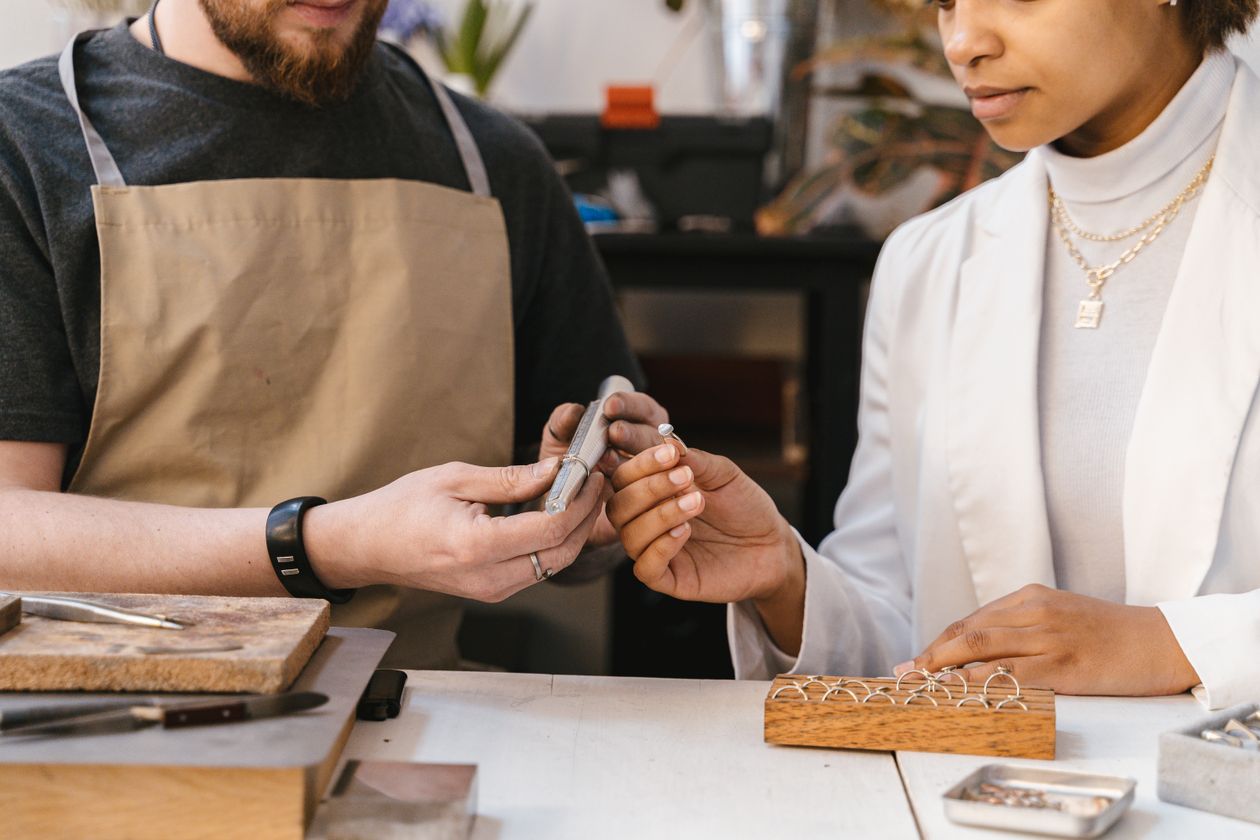
Digital downloads (planners, printables, SVG files), personalized jewelry, and small home décor items are popular because you can produce them in batches and price them for decent margins. If you sew, knit, or work with polymer clay, you already have transferable skills — the question is whether you enjoy making 50 of the same item, because that’s what a real Etsy shop requires.
Vintage and curated resale
If you’ve spent years collecting — vintage jewelry, mid-century home goods, retro clothing — you may already have an eye that took other sellers years to develop. Vintage shops have lower production overhead (you’re sourcing, not making) but higher time cost in photographing, listing, and researching each unique item.
Craft supplies and templates
Selling to other makers — fabric bundles, digital patterns, jewelry-making kits — is a smaller niche but often has loyal repeat buyers. It suits someone who prefers wholesale-style thinking over one-off customer service.

How do you know if your idea can actually make money?
Before you open a shop, run a simple gut check on three things.
Step 1: Search Etsy for your exact idea
Type your product idea into Etsy’s search bar and look at what comes up. If there are zero results, that’s not necessarily good news — it can mean there’s no demand. If there are hundreds of nearly identical listings with almost no reviews, that’s an oversaturated niche with low buyer interest. You want to see established shops with real review counts (50+) — proof people are actually buying this type of item.
Step 2: Price out your true cost per item
Add up materials, packaging, Etsy fees (listing fee, transaction fee, payment processing fee — currently around 6.5% transaction fee plus a small listing fee per item), and your time at a rate you’d actually accept. A lot of new sellers price based on materials alone and end up making $3/hour once their time is factored in. If you can’t price competitively and still pay yourself something, the idea needs adjusting before you launch.
Step 3: Test small before you scale
List 5–10 items, not 50. See what sells, what gets favorited, what gets zero traffic. Adjust your titles, tags, and photos based on real data rather than guessing upfront.
What’s realistic to earn from an Etsy shop?
This is the honest part. Most Etsy shops earn modestly — many sellers report a few hundred dollars a month as a side income, and it typically takes six months to a year of consistent listing and refining before a shop gains real traction. A smaller number of shops become full-time incomes, usually after significant reinvestment in inventory, photography, and paid promotion. Treat Etsy as a slow-build side hustle at first, not a replacement for steady income on day one.
What should you set up before your first sale?
Business basics
Depending on your state and how much you plan to sell, you may need a sales tax permit and to report the income on your taxes as self-employment. This isn’t optional once money starts coming in — talk to a tax professional or accountant early rather than guessing, since rules vary by location and income level.
Photos before quantity
On Etsy, photos sell more than almost anything else. Natural light, a clean background, and a few lifestyle shots (the item in use, not just on a plain backdrop) will outperform a large catalog of poorly lit listings.
A simple pricing formula
(Materials + packaging) + (your hourly rate × time to make) + Etsy fees + a profit margin = your price. Skipping the “profit margin” step is the most common reason Etsy shops stall out.
How does this fit into a bigger financial picture?
An Etsy shop can be one piece of rebuilding financial independence after a career change — but it rarely replaces a full income on its own in year one. If you’re also weighing other paths, it’s worth comparing this against other side hustle ideas for women over 40, or thinking through how much money you actually need to start a business before committing savings to inventory and supplies.
If you are also comparing this against a fully remote job path, our guide to real work-from-home jobs (and how to spot the scams) covers a different, lower-overhead option. And if the shop grew out of something you already love making, read how to turn a hobby into a business before you scale it.
FAQ
Do I need a business license to sell on Etsy?
It depends on your state and city, and on how much you sell. Many casual sellers start without one, but once you’re consistently earning income, check your local requirements — a quick call to your city or county clerk’s office, or a conversation with an accountant, will clarify what applies to you.
How much does it cost to open an Etsy shop?
Opening a shop itself is inexpensive (a small one-time setup fee in some regions, plus $0.20 per listing and transaction fees on each sale). Your real upfront cost is materials and, eventually, photography or packaging supplies.
Can I run an Etsy shop alongside a full-time job?
Yes — this is how most sellers start. Batch-producing on weekends and listing a few items at a time is a realistic way to test the idea before deciding whether to scale it up.
What’s the biggest mistake new Etsy sellers make?
Underpricing. It’s tempting to price low to get first sales, but if your price doesn’t cover materials, fees, and your time, you’ll burn out before the shop has a chance to grow.
— Mialy